
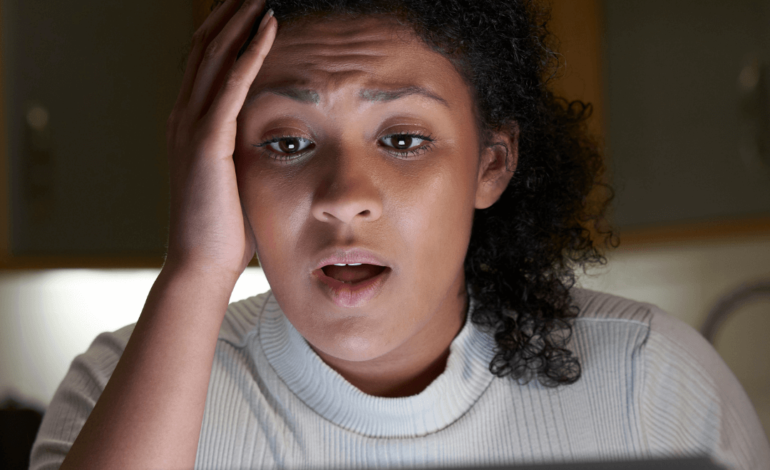
The Dangers of Using Social Media to Self-Diagnose a Mental Health Disorder
“As mental health awareness improves, there comes a troubling trend of young people diagnosing themselves with a mental illness, which can be a mood, personality, or anxiety disorder, but can also range to disabilities like autism or Tourette’s. And while some may relish finally being able to relate to feelings that they’re having, others might be creating new problems in their own minds.
This is mental illness and disability appropriation: the perfect marriage between the rise in mental health awareness in the midst of an 18-month–long pandemic and the unabating teenage desire to be different and unique.”
Tiktok, Instagram, and Snapchat are becoming increasingly popular; not only for promoting mental wellness and breaking the stigma about mental health disorders, but these social media outlets are also becoming more popular for self-diagnosing mental health disorders, which can be incredibly dangerous. A medical professional should always diagnose mental health disorders, but unfortunately, more people are swarming social media to self-diagnose. The dangers of self-diagnosis of any mental health or medical condition are dangerous. Unfortunately, social media, and the Internet in general, are full of misinformation that can lead many to believe they have a mental health disorder when they do not.
Anyone can pose as whoever they want to be on the Internet. A Ph.D. can pose as a medical doctor. A self-proclaimed health guru can pose as a nutritionist, an individual with depression can pose as an expert about depression, and so on. People, especially younger generations, are quick to believe what they see and hear on the Internet without doing their due diligence to further question and research what they see on social media.
Self-diagnosis can also lead to individuals diagnosing the wrong mental health condition, for example, self-diagnosis anxiety, when in reality, the individual has a depressive disorder. This can lead to a delay in the correct mental health disorder and a delay in treatment, potentially leading to complications and a worsening state of mind.
Social media can worsen undiagnosed mental health disorders and worsen self-esteem and lead people to engage in self-harm behaviors of suicidal thoughts.
The dangers associated with overconsumption of social media:
FOMO – Fear Of Missing Out
Increased social anxiety
Increased rate of depression
Low self-esteem
Body images issues
Increased risk of self-harm behaviors
Increased risk of suicidal thoughts
Misinformation, cyberbullying, and catfishing
Loneliness
Social media addiction
Mood, thought, and behavior problems
Polarization and cancel culture
Diagnosing a mental health disorder
Mental health disorders are clinical disorders diagnosed based on specific diagnostic criteria that often contain a set of signs and symptoms. Mental health disorders are diagnosed and treated solely by licensed and credentialed medical providers such as physicians, therapists, nurse practitioners, and physician assistants. These licensed providers must meet face-to-face, either in person or virtually, with their individual client to obtain a thorough history and list of signs and symptoms before making a mental health diagnosis. Therefore, diagnosing a mental health condition via social media is unethical and illegal. Mental health disorders can be tricky to diagnose, even for the trained medical professional. Therefore, self-diagnosing a mental health disorder via social media can have many adverse and potentially dangerous outcomes.
Common mental health disorders include depression, anxiety disorders, and bipolar disorder and all of these mental health disorders require professional treatment, which often includes behavioral therapies sometimes combined with medications.
When is social media helpful for the mental health community?
To help reduce stigma and spread awareness.
To join community support groups.
Social media and mental health are not all bad, meaning that the social media community can be a helpful tool to break down the stigma associated with mental health disorders. Social media can also help individuals engage with others going through similar challenges and even spread awareness about treatment. However, it is essential to note that this comes from only certain social media accounts. As a rule of thumb, if you want to learn more about the mental health community via social media, engage with reputable social media accounts. These may include NAMI, Psychology Today, addiction treatment centers such as AKUA Mind and Body, MentalHealthAmerica, and other professional, well-known addiction and mental health organizations.
Seeking help for mental health at AKUA Mind and Body
Seeking professional addiction or mental health treatment can help individuals overcome their addiction to substances and assist individuals in treating their underlying mental health disorder.
AKUA Mind and Body is a full-service addiction and mental health treatment center with multiple locations across California. We specialize in treating individuals struggling with mental health disorders, substance use disorders, and co-occurring disorders. We offer detoxification, medication-assisted treatment, and behavioral therapy approaches at all levels of care, ranging from residential settings to outpatient treatment. We pride ourselves on having a compassionate and knowledgeable treatment staff who cares about each client and their family.
You might also like

World Bipolar Day: Rethink Mental Illness
Reading Time: 5 MinutesAnxiety and Bipolar Disorder The hope and vision of World Bipolar Day are to bring world awareness to the world about bipolar disorder and to eliminate social stigma. This mood disorder affects nearly 3% of the adult U.S. population each year. World Bipolar Day (WBD) is celebrated each year on March 30th, Vincent Van Gogh’s […]
Rising Suicide Rates Among Veterans
Reading Time: 3 MinutesRising Suicide Rates Among Veterans. According to multiple recent studies and news reports, suicide rates among veterans have steadily increased over the last five years. Combat deaths have been rapidly declining, resulting in suicide as the leading cause of death among active duty service members across all branches. The rate of suicides per 100,000 active […]

How Millennials Are Changing The Face Of Mental Health
Reading Time: 5 MinutesMillennials are considered “the therapy generation” in the mental health and substance abuse realm. This generation is changing the way people look and talk about mental health. Although depression and anxiety are skyrocketing in this age group, millennials are the first generation to talk about their battles with mental illness in hopes of breaking down […]