

Reclaiming Your Sleep
Reclaiming Your Sleep: Real Talk for Restful Nights and Brighter Days
Ever find yourself waking up feeling… well, like you’ve just run a marathon in your sleep? You know that tired-but-wired sensation? Or maybe you’re just endlessly watching the clock tick past midnight, again. If truly restful sleep feels like a fantasy lately, let me tell you, you are absolutely not on your own with this. It’s a struggle many of us face. But here’s the crucial thing: sleep isn’t just about not feeling tired. It’s the bedrock for practically every part of your life.
When good sleep decides to play hide-and-seek, it messes with more than just our energy. Your mood can dip, your focus gets blurry, and managing everyday stress feels incredibly uphill. A decent night’s rest helps your brain hit refresh, your body repair, and your emotions regulate. Without that reset, doesn’t the world just feel… harsher?
So, why does sleep sometimes play so hard to get? Often, it’s a mix of modern life stuff: constant glowing screens (especially as bedtime nears), too much coffee, crazy schedules, worries buzzing in your mind, or a bedroom that isn’t quite the peaceful haven it should be. The good news? You’ve got more power than you might imagine to reclaim your sleep.
Your Go-To Guide for Better Zzz’s: Practical Steps
Ready to open the door to more genuinely peaceful nights? Here are some straightforward, powerful ways to start building that solid foundation for deep, restorative sleep:
- Mind Your Melatonin Makers (and Breakers): Our bodies naturally make melatonin, our sleep hormone. Bright screens—phone, tablet, TV—right before bed? They can seriously mess with this production. Try dimming lights and putting devices away at least an hour before you want to drift off. Swap scrolling for a good old-fashioned book or quiet chat.
- Embrace a Bedtime Routine (No Kidding!): Our brains really thrive on predictability. Hitting the hay and waking up around the same time every single day—yes, even weekends—helps regulate your body’s internal clock. Beyond timing, create a pre-sleep ritual: a warm bath, gentle stretching, calming music, or a few minutes of focusing on your breath. Make it a clear signal to your body: “Hey, it’s time to wind down now.”
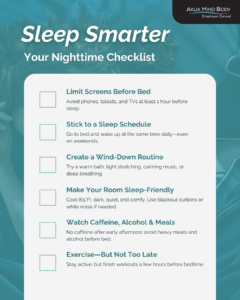
- Optimize Your Sleep Sanctuary: Is your bedroom actually for sleeping? We’re talking cool, dark, and quiet. Get blackout curtains if light’s an issue. Keep the temperature around 65°F (18°C). Earplugs or a white noise machine can be game-changers if noise is a problem. And check your mattress and pillows—comfy and supportive are key!
- Think About What You’re Eating and Drinking (and When!): That afternoon coffee might seem innocent, but caffeine hangs out in your system for ages. Try cutting off intake by early afternoon. Alcohol, while initially drowsy-making, messes with sleep cycles later. Heavy meals right before bed? Your digestive system will be working overtime when it should be resting.
- Move Your Body to Calm Your Mind: Regular physical activity can do wonders for sleep quality. Just be smart about timing; intense workouts too close to bedtime can be stimulating. Aim to wrap up vigorous exercise a few hours before you plan to sleep.
You might also like
What Happens When You Mention ”Suicide” in Therapy
Reading Time: 4 MinutesIt is okay to say the word “suicide,” even to your therapist. You are not alone if you are having thoughts about suicide or have had suicidal thoughts in the past. The Centers for Disease Control’s provisional data for 2022 showed a record high of 49,369 suicide deaths, coming after modest declines in 2019 and […]

World Mental Health Day
Reading Time: 3 MinutesWorld Health Day: The Link Between Mental Health and Physical Health World Health Day is a global health awareness day celebrated every year on April 7th, under the sponsorship of the World Health Organization, as well as other related organizations. World Health Day has a different feel this year than in previous years. In current […]

Overconsumption Rates While Working in the Alcohol Industry
Reading Time: 4 MinutesOverconsumption of alcohol in the form of alcohol misuse is tightly linked to the service industry. The service industry, particularly the food and beverage service industry, has some of the highest rates of alcohol abuse of any profession. Because of the high stress, fast pace, and high demand to meet customers’ needs, many service industry […]