
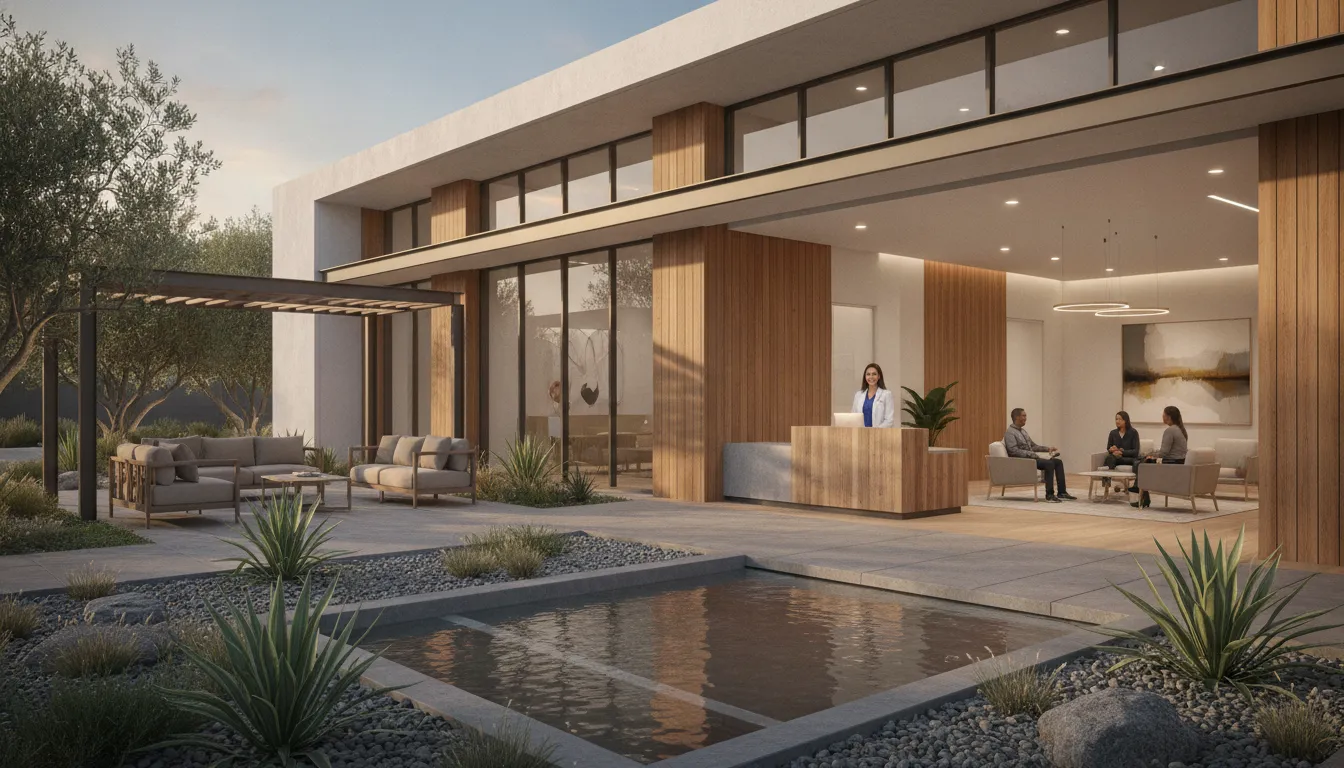
Residential Rehab Orange County: How to Compare Programs
Finding a path through addiction often starts with a single, clear choice. A high-quality residential rehab in Orange County provides the structure, expertise, and therapeutic environment needed for lasting recovery.
Ready to take the first step? Contact Akua Mind Body today to schedule a free consultation with our compassionate admissions team.
Residential rehab in Orange County provides a structured, home-like setting where individuals receive 24-hour clinical support for substance use and co-occurring mental health disorders. When families compare programs, they should evaluate clinical staffing, medical supervised detox capabilities, and the presence of gender-specific care. Research indicates that treatment durations of at least 80 days correlate with significantly improved long-term sobriety outcomes. High-quality facilities in California integrate Western medical science with Eastern holistic practices, such as mindfulness and yoga, to address the whole person. By verifying insurance coverage and clinical accreditations, families can identify a program that builds a sustainable foundation for long-term health in a safe, healing space.
Families navigating a mental health or substance use crisis often feel overwhelmed by the numerous treatment options available. Understanding how residential care functions, what distinguishes it from psychiatric hospitalization, and how to measure program quality helps families make informed, life-saving decisions.
Residential Rehab Orange County: How Does Residential Rehab Work for Addiction Recovery?
Residential rehabilitation offers an immersive, clinically supported environment designed for deep healing. Unlike institutional hospital settings, residential facilities are located in home-like environments that promote relaxation and comfort, allowing clients to focus entirely on their clinical recovery. By residing at a comprehensive residential rehab in Orange County, clients remove themselves from the daily stressors and triggers of their home environment, establishing a secure perimeter for personal growth.
The East Meets West Approach
Akua Mind Body utilizes an innovative “East Meets West” treatment philosophy that blends evidence-based Western medicine with Eastern holistic traditions. Western clinical modalities, such as Cognitive Behavioral Therapy (CBT) and Dialectical Behavior Therapy (DBT), address underlying psychological trauma and behavioral patterns. Concurrently, Eastern practices like yoga, meditation, and nutritional counseling foster physical and spiritual wellness.
This integrative model supports neuroplasticity, helping the brain forge new, healthy neural pathways. Scientific research indicates that longer treatment stays exceeding 80 days allow the central nervous system the necessary time to heal, significantly enhancing long-term recovery prospects.
Structured Daily Support
Structure is a cornerstone of effective residential treatment. Clients follow a carefully designed daily schedule that balances individual therapy, group counseling, educational workshops, and holistic activities. This predictable routine helps rebuild healthy habits and cognitive focus.
A multidisciplinary clinical team, including physicians, psychiatric nurse practitioners, licensed therapists, and case managers, monitors each client’s physical and psychological progress, adjusting treatment plans dynamically to support their evolving needs.
A Path of Care
Sustainable recovery requires a continuum of care rather than an isolated treatment episode. High-quality programs guide clients through a sequential path of care, beginning with medical supervised detox to safely clear substances from the body. From detox, clients transition into the residential phase, followed by step-down options such as a Partial Hospitalization Program (PHP) or Intensive Outpatient Program (IOP).
This deliberate step-down methodology ensures that clients maintain robust clinical support as they gradually reintegrate into daily life, which is a key element of residential treatment in Orange County.
Want to learn more about our accredited programs? Book a discovery call with our treatment specialists today.
What Is the Difference Between Inpatient Hospitalization and Residential Rehab?
While the terms “inpatient” and “residential” are occasionally used interchangeably, they represent distinct levels of clinical care. Distinguishing between these environments is essential for matching a client’s clinical severity with the appropriate therapeutic setting.
Hospital settings versus home environments
Inpatient hospitalization occurs in an acute psychiatric or medical hospital ward. The environment is highly clinical, sterile, and focused on stabilization. This level of care is designed for individuals in acute medical crisis. Those experiencing severe withdrawal symptoms requiring intensive medical monitoring, or individuals who present an immediate risk to themselves or others. The focus of inpatient care is short-term stabilization, typically lasting from three to ten days.
In contrast, residential rehabilitation takes place in a warm, home-like setting. This non-institutional environment is critical for lowering cortisol levels and reducing the anxiety that often accompanies early recovery. At Akua Mind Body, we believe that recovering in a comfortable, residential house fosters a sense of dignity and safety. Our comprehensive residential rehab in Orange County provides 24/7 supervision and clinical care within a supportive, tranquil community setting, with residences situated in peaceful neighborhoods across Costa Mesa and Newport Beach.

Levels of care and daily support
In a residential program, clients receive intensive, continuous support while living in a structured, supportive space at our Costa Mesa facility. Unlike acute hospital settings where patient interaction is limited, residential rehab encourages community integration. Clients engage in daily therapeutic groups, peer-led discussions, and recreational activities that rebuild social skills and foster accountability.
Furthermore, residential programs typically offer gender-specific tracks, allowing men and women to address gender-correlated traumas and recovery barriers in an emotionally secure environment.
Choosing the right care in Orange County
For individuals requiring physical stabilization or acute medical management, starting with inpatient hospitalization or a medical supervised detox program is vital. However, once medical stability is established, transitioning to a residential setting is highly recommended.
A residential rehab Orange County offers the ideal balance of sophisticated clinical oversight and personal comfort. It provides the extended duration necessary to identify and heal the root causes of addiction, rather than merely treating the immediate physical symptoms of withdrawal.
Key Criteria for Comparing Residential Rehab Programs
Selecting the right treatment program requires careful evaluation of several clinical and operational benchmarks. Comparing facilities on these key criteria ensures your family selects an accredited program capable of delivering high-quality, individualized care.
Clinical Care and Staffing
The caliber of a treatment center is directly reflected in its staffing model. Families should prioritize programs that feature a high ratio of licensed clinical professionals to clients. An expert multidisciplinary team should include board-certified physicians, psychiatric nurse practitioners, licensed marriage and family therapists (LMFTs), licensed clinical social workers (LCSWs), and credentialed substance use counselors.
Furthermore, ensure the facility has 24/7 on-site medical staff to guarantee client safety, particularly during the transition from detox to residential care. Akua Mind Body provides seamless, continuous monitoring and 24/7 Admissions Support to answer clinical questions at any hour.
Gender-Specific Healing
Clinical research demonstrates that men and women experience addiction, trauma, and recovery differently. For example, women often face unique barriers related to caregiving responsibilities, specialized trauma, and co-occurring eating disorders. Men may struggle with societal stigmas surrounding vulnerability and emotional expression.
Leading residential rehabs offer gender-specific healing environments where clients can participate in targeted groups without distraction. These specialized tracks allow for the utilization of clinical modalities tailored to gender-specific psychological needs, fostering deeper emotional safety and mutual support.
Family-Centric Support
Addiction is a systemic disease that impacts the entire family unit. Consequently, successful recovery plans must incorporate comprehensive family support. Programs should offer family therapy sessions, educational workshops on codependency and boundaries, and support groups for loved ones.
Integrating families into the therapeutic process helps heal damaged relationships and prepares a stable, supportive home environment for the client’s return. Studies show that involving families, combined with treatment stays of at least 80 days, significantly improves client outcomes and reduces relapse rates over time.
| Criteria | Typical Program | Akua Mind and Body |
|---|---|---|
| Clinical Staffing | General counseling support | Multidisciplinary doctors, nurses, and LMFTs |
| Supervision Level | Standard daytime clinical hours | 24/7 expert medical and behavioral oversight |
| Gender Support | Co-educational common spaces | Dedicated gender-specific residences and tracks |
| Care Philosophy | Traditional clinical therapy only | Integrative East Meets West medical and holistic care |
| Family Role | Infrequent updates and phone contact | Structured family therapy and systemic support |
How Long Does Residential Rehab Last and What are the Expected Outcomes?
Understanding the duration of treatment and what to expect upon completion is a common concern for families. Residential programs generally range from 30 to 90 days, though treatment plans are tailored to individual clinical progression rather than arbitrary timelines.
Normal Timelines for Care
A standard 30-day program is typically focused on physical stabilization, early relapse prevention education, and introducing clients to the recovery community. While beneficial, 30 days is often insufficient to address deep-seated psychological trauma or complex co-occurring mental health issues.
Extended stays of 60 to 90 days provide the clinical runway needed for intensive individual therapy. Family healing, and the practical application of coping strategies in a secure environment. High-quality addiction treatment centers in Orange County structure their programs to accommodate these comprehensive timelines.
What Science Says About Length of Stay
Clinical data strongly supports extended treatment durations. Landmark studies published by the National Institutes of Health (NIH) demonstrate that treatment episodes of 80 to 90 days are the critical threshold for achieving lasting behavioral change. According to a pivotal clinical study on treatment outcomes, clients who completed programs of 80 days or more experienced substantially lower relapse rates and improved psychosocial functioning compared to those who left earlier.
Completing the prescribed treatment plan is paramount; premature discharges are highly correlated with increased risk of recurrence. Choosing a residential program that aligns with these evidence-based timelines maximizes the probability of sustainable recovery.
Learning to Prevent Relapse
An effective residential program prioritizes relapse prevention from the moment of intake. Under the guidance of clinical experts, clients identify their personal triggers, such as high-stress environments, interpersonal conflicts, or specific physical cues, and develop robust, actionable coping mechanisms.
Relapse prevention also encompasses comprehensive wellness education, including stress management, sleep hygiene, and nutritional therapy, which are critical for stabilizing brain chemistry and supporting neuroplasticity during early recovery. These skills empower clients to navigate the challenges of daily life with resilience and confidence.
Evaluating Location Fit: Finding a Residential Rehab in Orange County
The geographic setting of a treatment facility plays a profound role in early recovery. Orange County provides an exceptional backdrop for clinical healing, offering a unique blend of sophisticated medical resources and serene natural environments.
Benefits of Coastal and Local Sites
Many premier addiction treatment centers in Orange County are situated near the coast, leveraging the calming influence of the ocean. Peaceful coastal environments, such as Newport Beach and Long Beach, naturally lower stress hormones, allowing clients to transition out of the fight-or-flight state commonly associated with active addiction. Quiet, residential neighborhoods offer privacy and safety, which are essential for introspective healing. Key benefits of these locations include:
- Serene coastal environments that promote mindfulness and self-reflection.
- Tranquil residential neighborhoods that ensure privacy and security.
- Proximity to outdoor natural spaces for therapeutic walks and recreation.
Special Care in Costa Mesa
Akua Mind Body offers specialized, highly individualized care at our modern facilities in Orange County. Our dedicated women’s residential center in Costa Mesa provides a secure, nurturing environment where women can address trauma, family dynamics, and co-occurring disorders in a supportive, female-only community.
Additionally, our Orange County facilities specialize in dual diagnosis treatment, addressing substance use disorders and co-occurring mental health conditions simultaneously to ensure comprehensive, lasting healing.
Gender-Specific Tracks and Growth
Participating in a gender-specific track allows clients to build deep, authentic connections with peers who share similar life experiences and recovery challenges. This peer support is a powerful catalyst for long-term growth, helping clients overcome isolation and rebuild self-esteem. By choosing an accredited facility in Newport Beach or Costa Mesa that offers these specialized tracks. Families ensure their loved ones receive targeted, clinical care in an environment optimized for success.
Understanding Insurance and the Residential Rehab Admissions Process
Navigating the logistics of admitting a loved one to treatment can feel overwhelming. At Akua Mind Body, we streamline this process, offering compassionate guidance and 24/7 admissions support to make the transition as smooth and stress-free as possible.
The Steps to Admission
Admitting a client to our residential rehab in Orange County involves a structured, efficient process designed to prioritize care and safety:
- Initial Assessment: Contact our admissions team at any hour to complete a confidential clinical pre-assessment.
- Insurance Verification: We immediately verify your insurance benefits to determine coverage levels and minimize out-of-pocket costs.
- Clinical Review: Our clinical team reviews the pre-assessment to customize an appropriate treatment plan.
- Intake Scheduling: Once approved, we coordinate travel logistics and secure a prompt intake date at our residential facility.
Insurance and Cost of Care
Concerns regarding the cost of care should never prevent someone from seeking life-saving treatment. Akua Mind Body is committed to financial accessibility; we are in-network with over 17 major insurance providers, which significantly reduces out-of-pocket liabilities for families. Our dedicated billing specialists coordinate directly with your insurance company to maximize your benefits, managing all administrative paperwork on your behalf.
Determining the Length of Stay
The optimal duration of a residential stay is determined collaboratively by the client, their family, and the clinical multidisciplinary team. Grounded in research showing that treatment lengths of at least 80 days yield the most favorable outcomes, we design customized treatment plans that prioritize clinical benchmarks over fixed timelines, ensuring each client receives the precise duration of care required for a stable recovery.
Ready to verify your insurance coverage? Schedule a free insurance verification now to see your coverage options instantly.
Frequently Asked Questions
Does insurance cover residential rehab in Orange County?
Yes, most private health insurance plans offer comprehensive coverage for residential rehab to help families manage costs. As a premier provider, Akua Mind Body is in-network with over 17 major insurance providers, helping to significantly lower out-of-pocket expenses for families seeking high-quality mental health and substance use treatment in California. We recommend initiating an insurance verification before admission to fully understand your specific plan benefits.
What is a partial hospitalization program in California?
A Partial Hospitalization Program (PHP) is a structured. Highly intensive clinical level of care that provides therapeutic support during the day while allowing clients to return home or to a supportive sober living environment in the evening. PHP serves as a crucial transition bridge between residential rehabilitation and standard outpatient care. Clients typically participate in clinical therapy, medical reviews, and group sessions for five to six hours daily, maintaining a robust continuum of care.
How do East Meets West practices help recovery?
The East Meets West treatment philosophy combines evidence-based Western clinical psychotherapy (such as Cognitive Behavioral Therapy) with Eastern holistic practices (such as mindfulness, yoga, acupuncture, and meditation). This integrative approach addresses the physical, psychological, and spiritual aspects of addiction. By promoting neuroplasticity, reducing stress hormones, and improving physical wellness. This dual model supports overall brain health and fosters sustainable, long-term healing as part of a comprehensive recovery plan at Akua Mind Body.
Are there gender-specific residential rehab options?
Yes, gender-specific residential treatment is highly effective and widely available. These specialized programs provide separate healing spaces for men and women, allowing clients to address sensitive issues, such as gender-correlated trauma. Family relationship dynamics, and societal pressures, in an emotionally safe and supportive environment. This focused setting encourages vulnerability, minimizes distractions, and helps clients build strong, lasting peer networks with others on a similar recovery path.
Ready to verify your insurance coverage?
Every day spent waiting to get help for a loved one in crisis is a day that health risks can escalate and psychological distress can deepen. Delaying treatment can compound the emotional and physical impact on your entire household. Taking action today means your family can begin the healing process in a safe, accredited environment.
By making the choice to seek professional support now, you provide your loved one with the clinical expertise and structured environment necessary to build a new life. Our compassionate team is standing by to guide you through your care options. Verify your insurance benefits, and help you take the first steps toward lasting wellness with confidence.
Ready to verify your insurance coverage? Get a free consultation to verify your insurance coverage for our residential rehab in Orange County.
You might also like

Virtual IOP in California, What to Expect
Reading Time: 8 MinutesLearn how online IOP in California works, who it fits, what the schedule looks like, how privacy is handled, and next steps.

Why Recovery Needs the Continuum of Care to Hold in Behavioral Health
Reading Time: 6 MinutesThe weeks immediately following treatment are often the most fragile part of recovery. Support has changed, routines have shifted, and the structure that once guided each day is no longer there in the same way. What often determines whether progress continues is not simply the treatment someone received, but whether there is another level of […]