
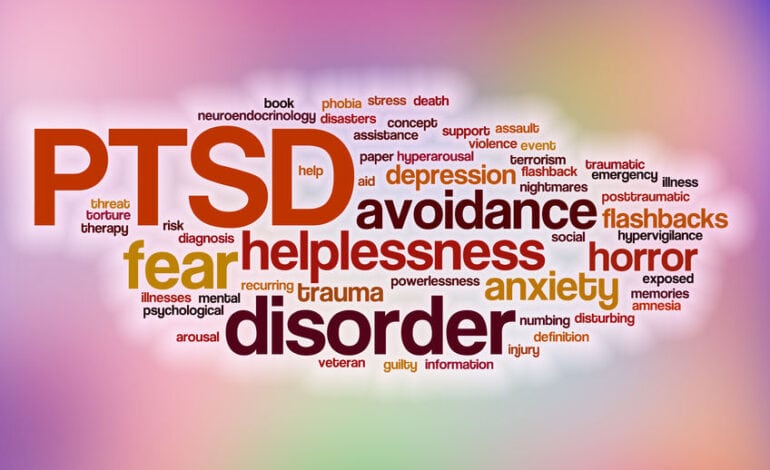
Signs, Symptoms and Warning Signs Associated with Trauma
Emotional and psychological trauma is the result of extraordinarily stressful events that shattered your sense of security, making you feel helpless in a dangerous world. Traumatic experiences often involve a threat to life or safety, but any situation that leaves an individual feeling overwhelmed and isolated can be traumatic, even if it doesn’t include physical harm.
Emotional and psychological trauma can be caused by one-time events such as an accident, an injury, a natural disaster, or a violent attack. Emotional and psychological trauma can also be caused by ongoing, relentless stress such as dealing with sexual harassment at work, living in a crime-ridden neighborhood, or living with a chronic medical condition.
Additionally, commonly overlooked causes of emotional and psychological trauma include the loss of a loved one, a recent surgery, the loss of a job, a breakup from a significant relationship, or a profoundly disappointing experience. Individuals are more likely to experience trauma as an adult if they experienced any form of childhood trauma such as being in an unstable or unsafe environment, being separated from a parent, having a severe childhood illness or undergoing any childhood abuse including neglect, physical, verbal and sexual abuse.
Signs and Symptoms of Trauma
Each may react differently to trauma. There are many ways the body experiences grief reactions to traumatic events. A response can become unhealthy if the behavior and mood are prolonged and is affecting your lifestyle. The following are signs and symptoms associated with emotional and psychological trauma:
Shock or denial
Difficulty with concentration or declining academic performance
Irritability and mood swings
Guilt and shame
Social withdrawal
Feeling sad or hopeless
Aches and pains
Muscle tension
Insomnia or nightmares
Fatigue
Agitation
Nightmares
Night terrors
Change in sleep patterns
Trouble with relationships
Flashbacks
Anger
Post-Traumatic Stress Disorder
Post-traumatic stress disorder (PTSD) is diagnosed when severe stress symptoms exist for at least one month following exposure either directly or indirectly to a traumatic event. They must cause impairment in daily functioning and are not attributable to substance abuse or exposure through media such as television and movies. Individuals must experience symptoms in each of the following categories:
Persistent re-experiencing of the traumatic event via dreams, perceptions, images, hallucinations, or flashbacks.
Avoidance of triggers such as people, places, thoughts, and feelings that were associated with the traumatic event.
Feelings of detachment, negative self-esteem, negative emotional states, and the inability to remember associated events.
Marked changes in arousal and activity such as irritable behavior, hypervigilance, increased arousal, reckless behavior, sleep disturbance, and concentration problems.
Children with PTSD may exhibit signs of social withdrawal, parent attachment, excessive clinging, nightmares, and poor academic performance, whereas adolescents generally display the same signs and symptoms as adults.
Acute Stress Disorder
Acute stress disorder presents with the same signs and symptoms as PTSD; however, the duration of these signs and symptoms is the only differing factor between these two related disorders. Symptoms for acute stress disorder must last for at least three days in duration up to one month but resolve after one month. If symptoms persist beyond this timeframe, then a diagnosis of PTSD can be made.
24/7 ADMISSION HELPLINE 888-629-6707
You might also like

Are You Sober Curious?
Reading Time: 4 MinutesDo you ever wonder how alcohol affects your sleep, your concentration, or your energy levels? Have you ever thought about cutting back on drinking to see how it will affect your body and mind? If so, you may be sober curious. Sober curious is a term that has been gaining popularity in the past couple […]

World Mental Health Day
Reading Time: 3 MinutesWorld Health Day: The Link Between Mental Health and Physical Health World Health Day is a global health awareness day celebrated every year on April 7th, under the sponsorship of the World Health Organization, as well as other related organizations. World Health Day has a different feel this year than in previous years. In current […]

Things To Know About An Outpatient Mental Health Facility in Newport Beach
Reading Time: 3 MinutesOutpatient Behavioral Health Center in Newport Beach Treatment for mental health disorders consists of prescription medications and psychotherapy in either an intensive setting such as inpatient or residential care or a more relaxed environment such as an outpatient behavioral health center. The outpatient mental health facility Newport Beach is a lower level of care. This […]