
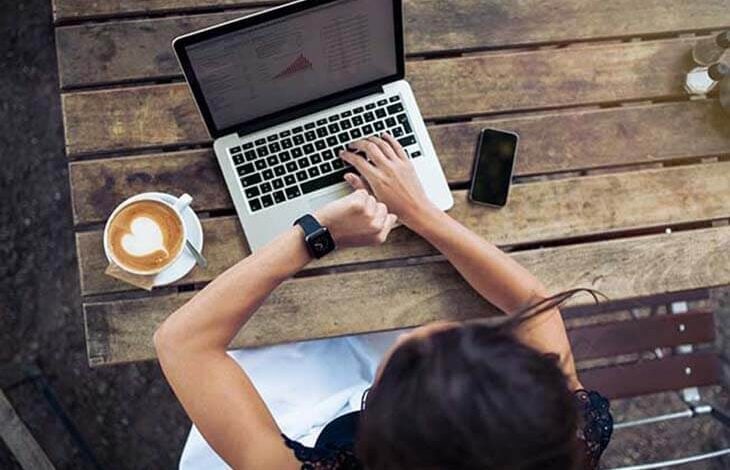
3 Ways Social Media is Affecting your Mental Health
Social media is often the highlight reel of the best part of one’s life. Many of the posts and photos are staged while others are meant to portray a false sense of security.
Studies have linked the use of social media to depression, anxiety, poorer sleep quality, lower self-esteem, inattention, and hyperactivity, often in teens and adolescents.
social-media-and-mental-health
Below mentioned are the 3 Ways Social Media Affecting Your Mental Health
1) So-Called “Fitspiration”
A recent Australian study found a direct link between social media usage and negative body image among women aged 18-25. “Fitspiration” posts, in particular, were associated with self-objectification and appearance-related concerns.
2) Social Media Addiction
You’ve probably felt the urge at some point to check your phone just one more time to see what’s new. Many young adults are developing a social media addiction to Instagram, Facebook, Twitter, or Snapchat. Checking social media and finding a new notification affects your mental health, giving the brain a fleeting dopamine hit, leaving you wanting more.
3) #NoFilter Falsehoods
Social media can feel like a portal into the everyday reality of friends and celebrities. But so many photos are painstakingly staged or carefully edited to portray a fantasy version of real life. Comparing your own activities or looks to others on social media can tear down self-esteem and contribute to mental health issues such as depression and anxiety.
What can you do to make Social Media a safer place?
It is important to realize social media is a platform made to influence and does not necessarily reflect reality. The next time you reach for your phone, consider these tips:
• Digital Detox
Some people create a toxic environment online, whether it’s by posting triggering content or interacting with others in a negative way. Choose to only follow people who have a positive impact on your behavior and mood. Don’t be afraid to hit that unfollow button!
• Curating the Cure
Take a step further and seek out accounts that promote wellness, positivity, and a realistic outlook. Ask yourself what messages are important to you, and reflect that in what you post online!
• Pull the Plug
Remember to spend physical time with friends and family. Building strong social connections with others can help foster the sense of community and belonging we often seek in social media but do not receive.
• Know When to Seek Help
Sometimes depression, anxiety, eating disorders, or addiction take over. While these tips may help you manage your daily social media usage, if you’re struggling, you may need more intensive treatment.
24/7 ADMISSION HELPLINE 888-629-6707
You might also like

Relapse During Crisis
Reading Time: 3 MinutesOur world is currently experiencing a significant crisis. As we are trying to move through this COVID-19 pandemic, it is essential to recognize that relapse can occur during a crisis. However, it is more important to understand how to prevent a relapse during a crisis. Why do we relapse during tough times? Isolation: “Stay at […]

Alcohol Abuse & Alcoholism Treatment in Newport Beach: How To Stop Drinking
Reading Time: 4 MinutesWhat is alcohol addiction? Alcohol is one of the most commonly used (and misused) substances in the U.S. In 2019, 25.8% of people aged 18 and older reported binge drinking in the past month, 85.6% of people reported drinking alcohol at some point in their lives, and 14.5 million people aged 12 and older had […]

Finding the Solutions to Shame and Guilt in Addiction
Reading Time: 3 MinutesWe live in a society where millions of Americans are addicted to drugs and alcohol but only a small portion receive proper treatment. Addiction is a disease that influences one’s mind and behavior. According to the National Survey on Drug Use and Health NSUDH 2014 report, nearly 22 million Americans age 12 and older had […]