
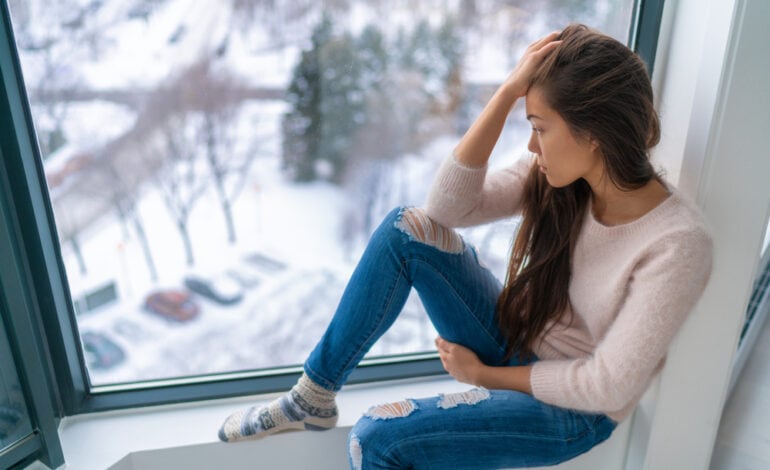
Seasonal Affective Disorder: Winter is Almost Here
The temperatures are dropping, the leaves are changing, and the days are becoming shorter—all of these changes from summer to fall mean that winter is just around the corner. Many individuals look forward to winter because of the holidays and the beauty of the snowfall. For others, the change from summer to fall can trigger depression. The “winter blues” can be just around the corner.
What is SAD?
Seasonal affective disorder (SAD) or seasonal depression is a type of depression that comes with the seasons. Seasonal affective disorder is most common during the winter months, but oddly enough, it also appears in the summer, just not nearly as prevalent. According to research, “A small share of people with SAD show the reverse pattern, being sensitive to summer’s longer days. The very existence of opposite winter-summer patterns suggested to researchers that this mood disorder stems from a problem in adapting to the physical environment”.
Individuals with seasonal affective disorder must meet major depressive disorder criteria with symptoms coinciding with the specific seasons and lasting for at least two years.
Who is at risk for developing SAD?
Researchers believed that SAD’s typical appearance in the winter had a high correlation with the lower exposure to light. The obvious next step was to lengthen exposure to light intensity to mimic the outdoors. By 1998, researchers were studying light treatment variations as a treatment for SAD.
Individuals who live further from the Equator are more at risk for developing seasonal affective disorder than individuals who live closer to the Equator. One percent of individuals who live in Florida have SAD, whereas nine percent of individuals who live in Alaska have SAD. Females are more at risk of developing SAD compared to males, and individuals who have a history of depression or bipolar disorder are also at an increased risk for developing SAD. Individuals who have an increased level of melatonin and decreased serotonin and vitamin D levels are also at a higher risk for developing SAD.
“Sunlight plays a critical role in the decreased serotonin activity, increased melatonin production, disrupted circadian rhythms, and low levels of Vitamin D associated with symptoms of SAD,” according to a study published in Depression Resistant Treatment.
Light therapy to treat seasonal depression
Not any type of bright light is known to treat individuals with SAD. There are certain light therapy boxes, which filter out UV light that are used to treat SAD. Lightboxes that have UV rays are used to treat certain skin disorders. Below are key points to keep in mind when using phototherapy to treat your seasonal affective depression.
• Use a lightbox that is 10,000 lux, which is 20 times the strength of typical indoor lighting.
• You can order a lightbox online.
• Use a lightbox that blocks out 99% of UV rays
• Position the lightbox above your head to mimic natural outdoor lighting.
• Use the lightbox in the morning for 20 to 60 minutes
• Use the lightbox daily from early fall through winter.
• Ask your doctor about using your lightbox if you are on certain medications that cause photosensitivity.
• Monitor your mood weekly by journaling about your emotions to assess whether light therapy is working.
• Phototherapy should also be combined with other therapeutic approaches such as cognitive behavioral therapy and anti-depressants if you do not see an improvement in your mood.
We are here for you!
We are committed to the health and safety of you and/or your loved ones, and we are FULLY OPEN & OPERATIONAL. At Akua Mind & Body, the safety of our Clients is our top priority. We are aware of the increased fear and anxiety among most people regarding the current pandemic. Hence, we are doing everything that we can to keep health and safety.
If you or someone you love is struggling with a mental health illness or substance use and addiction disorder, we can help now more than ever! Akua Mind & Body provides an integrative treatment approach with multiple levels of care from detox and residential to virtual outpatient programs. With several facilities throughout the Sacramento Region, Los Angeles & Orange County Region, and San Diego Region, we aim to provide our clients with a solid foundation for healing and transformation. Gender-specific and Co-ed facilities are available.
Call our 24/7 admissions helpline to seek help today!
You might also like

Preparing For Your First Holiday Season in Recovery
Reading Time: 3 MinutesThe holidays should be a time for gathering, celebrating, expressing gratitude, and reflecting. Still, they often bring stress and worry, especially to those struggling with underlying issues such as substance abuse. The first year of sobriety, especially during the holiday season, can be a sea of ups and downs. Emotions can range from gratefulness and […]
A Multifaceted Approach to Tackling the Opioid Crisis in California
Reading Time: 7 MinutesFor countless Americans, the opioid crisis isn’t just numbers or statistics; it’s more personal. It has torn families apart, strained communities, and claimed hundreds of thousands of lives. Closer to home, the opioid crisis in California is heartbreaking. Fentanyl-related overdoses across the U.S. highlight the severity of the opioid epidemic, but in California, the impact […]

Unveiling the Role of Spirituality in Addiction Recovery
Reading Time: 3 MinutesSubstance abuse has had a devastating impact on the lives of millions in the United States. As substance use and abuse continue to ravage communities, researchers are working on treatment approaches that can ensure a successful recovery from addiction. Religious beliefs and spiritual practices in preventing use and relapse were commonly thought of in the […]