
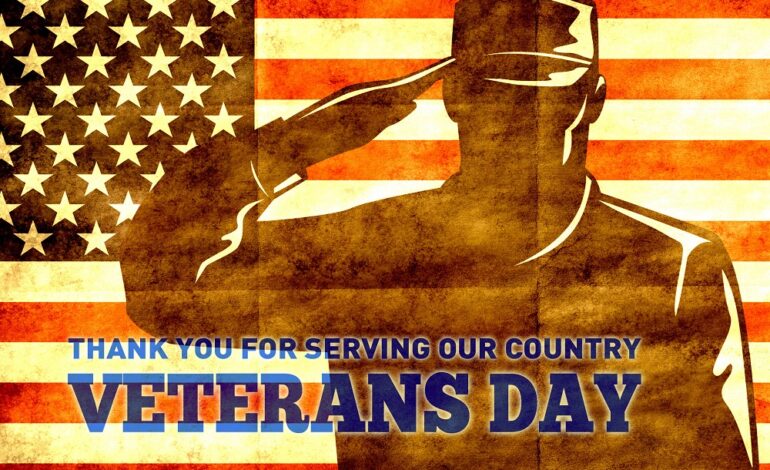
Veterans Day: PTSD
Veterans Day originated as “Armistice Day” on Nov. 11, 1919, the first anniversary of the end of World War I. Congress passed a resolution in 1926 for an annual observance, and Nov. 11 became a national holiday beginning in 1938. In 1954 President Dwight D. Eisenhower officially changed the name from Armistice Day to Veterans Day. Veterans Day pays tribute to all American veterans, living or dead, who served their
country honorably during war or peacetime. Serving in a war is the ultimate sacrifice; men and women give up time with their families, leave their homes, risk their lives, and many return injured and scarred, both mentally and physically.
Mental health and veterans
While post-traumatic stress disorder (PTSD) among soldiers has been well-publicized, other mental woes can also result from war trauma. A study in the journal Archives of General Psychiatry found that one in 10 Iraq war vets develop serious mental problems, including violent behavior, depression, and alcohol abuse. The study found that PTSD or depression seriously impaired daily functioning in 8.5 percent to 14 percent of these vets. Veterans’ mental illness has resulted in homelessness, substance abuse, and an overwhelming stigma tied to war veterans. Fearing for their careers, many service members keep quiet about their mental health problems, and as a result, their silent suffering is taking a toll on our country’s military readiness. The Department of Defense has hosted campaigns to fight against stigma linked to veterans and mental illness; however, there are still major strides to be made. In 2014 a law was passed that did not disqualify veterans or put them at risk of career suicide if they disclosed their mental illness to their physician or commanding officer. Talking to a doctor about signs and symptoms, diagnosis, or treatment does not risk losing the military’s clearance.
Additionally, if an active-duty soldier or a veteran seeks help for combat-related concerns or receives mental health counseling, they do not have to worry about “question 21” regarding treatment for mental or emotional conditions.
PTSD
Posttraumatic stress disorder (PTSD) is a mental health disorder that involves severe anxiety, fear, flashbacks, and negative thoughts after experiencing or witnessing a traumatic, life-threatening event. The general society often thinks that this mental health disorder affects only veterans after returning from the war, but this is a preconceived misconception. Although many veterans may have posttraumatic stress disorder, this diagnosis can affect anyone who undergoes a traumatic experience. The amygdala and prefrontal cortex are the two known brain regions responsible for processing fear. It is thought that neurological pathways in these areas are found to be less capable of inhibiting the activation of fear processing. In other words, these areas are more prone to activate the fear response. Early trauma exposure in childhood and subsequent witnessing of trauma later in life are also known triggers of PTSD. Childhood adversity and preexisting anxiety and depression are also known risk factors for this disorder.
For veterans: maintaining a strong mind
• Talk to family and friends about your experiences. Even if they don’t fully understand what you’re going through, it helps them to understand why you may have trouble interacting at times.
• Prepare ahead of time for insensitive questions or topics of conversation. You don’t need to tell anyone about your experiences unless you want to. Practice how to respond or respectfully decline to answer.
• Find a support community, whether it is online or in person.
• Recognize that you will feel frustrated sometimes while returning to civilian life, but frustration is normal during this transition. In fact, frustration is a sign that you’re adjusting and growing stronger.
• If you find yourself growing more frustrated or isolated over time, talk to a health professional about whether mental health care can help you increase your resilience. Medical professionals can help you come out of this transition stronger than before.
Akua Mind Body is here for you!
Akua Mind Body is a substance abuse and mental health treatment center that offers detoxification, and residential and virtual outpatient treatment programs for individuals who are struggling. A multidisciplinary treatment team is available to treat each client’s individual needs with the utmost professionalism and compassion. Regardless of where you are in your recovery process, Akua Mind Body can help.
You might also like

World Bipolar Day: Rethink Mental Illness
Reading Time: 5 MinutesAnxiety and Bipolar Disorder The hope and vision of World Bipolar Day are to bring world awareness to the world about bipolar disorder and to eliminate social stigma. This mood disorder affects nearly 3% of the adult U.S. population each year. World Bipolar Day (WBD) is celebrated each year on March 30th, Vincent Van Gogh’s […]

Christmas & The Stress of Pleasing Others
Reading Time: 3 MinutesThe holiday season can be the busiest time of the year. Holiday parties, gift exchanges, family gatherings, celebratory dinners, and decorations are just a few factors that play into the holiday season’s hustle and bustle. From a young age, we are told to buy gifts for others, be on our best behavior at holiday gatherings, […]
Common Myths About Depression: Debunked
Reading Time: 3 MinutesCommon Myths About Depression: Debunked. A major depressive disorder is characterized by a sad mood, inability to concentrate, loss of interest and other symptoms that affect how an individual thinks and feels. This disorder can result in stress at home, poor workplace performance, and turmoil in relationships. It is the leading cause of disability in […]