
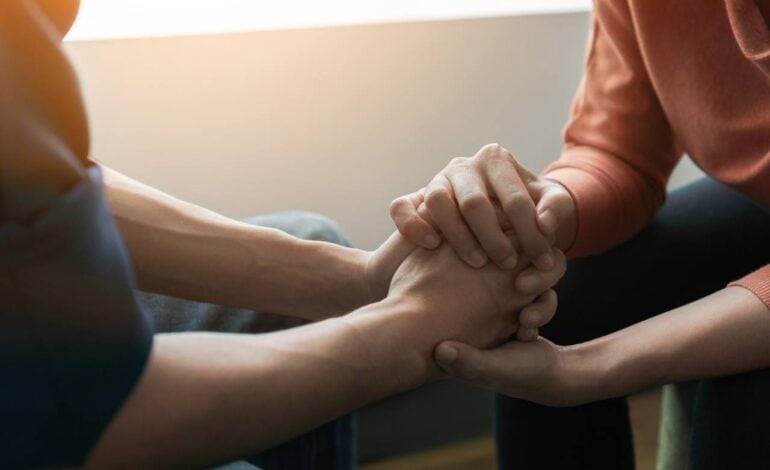
Four Ways A Significant Other Can Help With Depression
Depression Symptoms & Recovery Factors
Sorrow and worthlessness are the cornerstone feelings of depression. Many individuals, often feel as though they have no energy, hope, or drive, which can interfere with romantic relationships. It may sometimes be hard to open up to your romantic partner about your battle with depression. As a result, you may become closed off and tend to regress with your social interactions, potentially ending your marriage. Having a supportive partner can be beneficial to your mental health and your recovery. If your partner is trying to help you with your battle with depression, try to keep an open heart and an open mind.
On the other hand, if you have a romantic partner who is currently battling depression, there are specific steps you can take to help your partner and be supportive during this trying time. A reliable support system for anyone with a mental health disorder is a positive contributing factor to a successful recovery. The following are ways that a partner can offer support to a loved one with depression:
Education is key
It is common for individuals to research medical disorders before they go to the doctor or after they receive their diagnosis. This research should not be any different for those who are struggling with a mental health disorder. It is essential to spend some time educating yourself about depression to understand that depression is a biological problem that can lead to suicide if ignored or left untreated. Spend time researching available treatment options and preventative strategies to keep your partner safe, which include safe-proofing your home environment from guns, prescription pills, and sharp objects. By taking the proper measures to educate yourself on the topic of depression, you can provide more help to your partner while keeping an open mind and eliminating the stigma associated with this mental health disorder.
Replace negative thoughts with positive thoughts
Individuals will become the company they keep, so if you keep a negative mindset, your loved one will most likely adopt these thinking patterns, which is not beneficial to their depression. You must exude confidence and positivity towards your romantic partner and bring optimism and light into their life. Help your partner set realistic, positive goals, and give them daily reminders of inspiration and encouragement.
Maintain a healthy lifestyle with your partner
Individuals with depression will often neglect the hobbies they once loved and adopt unhealthy sleeping and eating patterns. As a romantic partner, it is essential to try to re-introduce your loved one’s favorite hobbies and activities back into their life. This may mean that you have to participate in these hobbies with your partner. Whether it is skiing, hiking, reading, or crafting, hobbies are a constrictive outlet for stress and can help combat feelings of depression. Encourage your partner to engage with their lost hobbies and take the initiative to plan outings with your loved one where both you can enjoy these hobbies. Adopting old hobbies is an essential part of the treatment process that you can have control over.
It is also essential to help your partner get back on track in terms of their sleep schedule and eating patterns. You may have to take control of meals by planning and cooking for your loved one. Practice relaxation techniques and meditation before bed with your partner to help improve a healthy sleep schedule and continue to encourage your loved ones to take care of themselves, even though it may be challenging during these times.
Make yourself available
Individuals with depression feel lonely and isolated, even if they are always around others. You may feel as though you spend an ample amount of time with your partner, but it is also essential to verbalize that you are available, that you care, that you are listening, and that you want your partner to be able to talk to you about their depression. You may have to check in with your partner multiple times a day, ask them how they are feeling and assure your partner that you are there for anything they may need. Taking an active presence and offering support is much more than just being physically present, you must also be mentally and emotionally present as well.
You have the option to play an integral role in your partner’s treatment and healing, and although some days may be more challenging than others, keep in mind that the symptoms of depression can be treated. With the right combination of medication and psychotherapy and with a healthy support system, your partner has a fighting chance to overcome their depression.
You might also like

Yoga: A Holistic Healing Practice for Recovery Programs
Reading Time: 3 MinutesSubstance abuse is one of the most problematic public health concerns in the United States. In 2017, more than 72,000 Americans were killed due to drug overdoses, reflecting a 13 percent increase over the previous year and a 2-fold increase over the past decade, according to the estimates by Centers for Disease Control (CDC). In […]

Seasonal Affective Disorder: Winter is Almost Here
Reading Time: 3 MinutesThe temperatures are dropping, the leaves are changing, and the days are becoming shorter—all of these changes from summer to fall mean that winter is just around the corner. Many individuals look forward to winter because of the holidays and the beauty of the snowfall. For others, the change from summer to fall can trigger […]

The Link Between Your Gut and Depression
Reading Time: 4 Minutes“All disease begins in the gut.” -Hippocrates Your gastrointestinal tract (your gut) is tightly connected to your brain, and as a result, what you put into your body can affect how you physically feel and how you mentally feel. The gut, just like the brain, has one unique signaling system that relies on receptors and […]