
Building Resiliency During Recovery
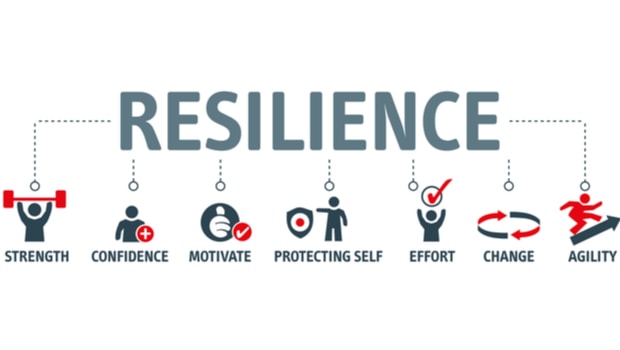
Resiliency is often defined as “the process of adapting well in the face of adversity, trauma, tragedy, threats, or significant sources of stress, such as family and relationship problems, serious health problems, or workplace and financial stressors”, according to the American Psychological Association. As much as resiliency involves “bouncing back” from these tough situations, it often involves profound personal growth.
Recovery from substance abuse can be one of the most challenging life stages you will navigate. There will be times where you will be happy, sad, scared, lonely, exhausted, stressed, and grateful. Addiction recovery involves facing your darkest fears and confronting your deep underlying triggers head-on. It consists of holding yourself accountable and having tough conversations with friends and family about your addiction and your journey to recovery. Resiliency is not a personality trait; instead, it is a combination of behaviors, thoughts, and actions that anyone can learn to develop to overcome an adverse obstacle. Addiction recovery is true adversity that requires resiliency. Building resiliency takes patience and intentional hard work.
The keys to resiliency:
- Accepting change: Nothing in life is ever permanent or constant, especially in recovery. Recovery means that emotions and thought processes will change daily. You may notice that you are not the same person as you were a month ago. Specific goals may no longer be your reality because of what you have experienced in your past. There will always be things in the past that you cannot change. On the other hand, you will always have the power to change something in your future. It is important to accept change and acknowledge that change is constant.
- Finding your purpose: Addiction can cause so many of us to become lost. Our priorities, passions, goals, and purpose may be clouded due to our addiction, and instead, we are just going through the motions of life. Finding your everyday purpose means rediscovering your passions in your professional and personal life. Having a purpose means setting and striving towards your goals, finding meaningful relationships in your life, helping others, fostering self-worth, and searching for self-discovery and growth opportunities.
- Fostering relationships: Connections with others is a key component of resiliency. Finding people you can trust and communicate with to build healthy relationships can help you grow into a stronger, more resilient person. Fostering relationships can take a lot of time and effort, as it is essential to nurture those relationships that are positive and supportive. It is equally important to recognize unhealthy and potentially harmful relationships and learn to leave these relationships behind in the past.
- Taking care of your mind and body: Learning how to nourish your body by exercising, eating nutritious meals, and adopting a healthy sleep routine are essential to becoming resilient in your recovery process. Your physical body and mind are closely connected, and therefore you must take good care of both independently.
- Learn from the past: We all make mistakes and have past situations that we regret. It is important to recognize these past mistakes and relationships and learn to grow and move on from them to live a more empowered life in the present and the future.
- Lean into your discomfort: Resiliency requires learning how to deal with discomfort, sadness, and stress. It is easy to stay in bed and feel sorry for ourselves when bad things happen to us, but instead of giving up or feeling sorry for ourselves, we must learn to continue to complete our daily tasks. This does not mean that we should ignore our emotions and fear, but instead, we should acknowledge the discomfort and find healthy ways to move through it.
Resiliency is a form of strength that does not appear overnight. We must adopt the tools and do the hard work to become resilient through our recovery journey.
“My scars remind me that I did indeed survive my deepest wounds. That in itself is an accomplishment. And they bring to mind something else, too. They remind me that the damage life has inflicted on me has, in many places, left me stronger and more resilient. What hurt me in the past has actually made me better equipped to face the present.”
― Steve Goodier
You might also like

Sadness vs. Depression: Can You Tell the Difference?
Reading Time: 3 MinutesSadness vs. Depression: Can You Tell the Difference? How often do we hear the term “depression” thrown around lightly? Work today was the worst. I’m really depressed. Another date with no real connection. It’s so depressing. If I don’t get to take this long weekend, I’ll be so depressed! It’s possible to be sad and […]

Ohana Family Support Group- Safeguarding Recovery from Addiction and Mental Illness during the Holidays
Reading Time: < 1 MinutesAndrea Dressler, Vice president of Community Relations at Akua Mind & Body will be facilitating an online event for Ohana Families on the 7th of December 2021. The topic of discussion will be Safeguarding Recovery from Addiction and Mental Illness during the Holidays. Meeting Link: https://tinyurl.com/OhanaSupport Meeting ID: 86543531016 Passcode: 003841 Date: Dec. 7, 2021 […]

Borderline Personality Disorder Awareness Month
Reading Time: 3 MinutesIn May of 2007, the National Education Alliance for Borderline Personality Disorder (NEABPD) organized hearings before congress to educate legislators about Borderline Personality Disorder (BPD). A year later, in April, 2008 the U.S. House of Representatives declared May as Borderline Personality Disorder Awareness Month. BPD is one of the most misunderstood diagnoses in mental health. […]