
Bipolar & Alcohol: The Deep Connection
Bipolar Disorder & Alcoholism: Are They Connected? Yeah, Actually.
Ever really think about how certain mental health stuff can get tangled up with drinking too much? It’s a super complicated picture, no doubt. But when it comes to bipolar disorder and alcoholism? The answer is a pretty strong yes. They’re often deeply related. It’s more than just a coincidence, honestly. There’s a big, noticeable overlap, and understanding why is truly a huge first step for anyone impacted.
Quick Look: What Are We Talking About?
Alright, fast check. Bipolar disorder isn’t just mood swings. It’s a serious mental health condition, defined by wild, dramatic shifts. Mood, energy, activity, concentration—all over the place. These swing between crazy highs (mania or hypomania) and brutal lows (depression). Alcoholism (or Alcohol Use Disorder), on the flip side, is when drinking gets out of control. It’s obsessing about alcohol, using it even when it causes huge problems, and then your body starts needing more, or you get withdrawal symptoms.
The Tricky Part: Why They Show Up Together
So, why do these two hang out so often? A lot of it boils down to “self-medication.” Imagine living inside the unpredictable, overwhelming emotional rollercoaster of bipolar disorder.
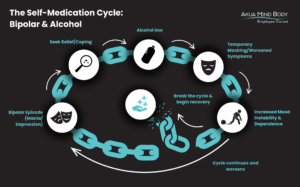
- When Mania Hits: Someone might chug drinks to try to quiet super-fast thoughts. To, like, slow that heightened energy, or even dull the impulsivity that just comes with mania. Alcohol can feel like it’s taking the edge off, even though, long-term, it’s making everything worse. Plus, it drops inhibitions, fueling risky behaviors already part of manic states. It’s a mess.
- When Depression Takes Over: Alcohol probably feels like the only escape from crushing sadness, zero energy, or deep hopelessness. For a bit, it offers this weird numbness, a quick break from pain. But hey, alcohol’s a depressant. So, it gives that tiny short-term “relief,” but it shoves you even deeper into depression, making getting better way harder.
It’s just a brutal cycle. Alcohol might hide symptoms for a second, but it totally destabilizes your mood, makes future episodes more intense, and then your regular bipolar meds? Way less effective. Brain chemistry also plays a role, maybe making you more prone to both.
The Numbers Don’t Lie
Research consistently confirms it: co-occurrence rates are high. A big bunch of people with bipolar disorder will, at some point, deal with Alcohol Use Disorder, far higher than in the general population. Dealing with this “dual diagnosis” is incredibly tough, for sure. But it’s not
hopeless. Not at all.
Finding Your Way Forward: Integrated Treatment? Yes, Please

If this sounds like you, or someone you truly care about, struggling with both, here’s the absolute biggest thing you need to grasp: integrated treatment is completely vital. You just can’t truly fix one without fixing the other. Trying to separate them usually leads to relapses for both.
A solid, comprehensive program will tackle both the mental health part and the substance use part at the exact same time. This means stuff like specialized therapies (think CBT or DBT), smart medication management (picked super carefully to avoid bad reactions), and genuinely strong support systems.
Honestly, just understanding this link between bipolar disorder and alcoholism? That’s step one toward getting real help. Recovery? It’s totally, absolutely possible. And finding a program that truly, truly gets this complex dance? That can make all the difference in the world.
And remember, if navigating these internal shifts feels overwhelming, Akua Mind Body is here to provide compassionate support and expert guidance on your journey toward lasting mental wellness.
You might also like

National Recovery Month: Your Recovery Tool Kit
Reading Time: 4 Minutes“National Recovery Month started in 1989 and is a national observance held every September to promote and support new evidence-based treatment and recovery practices, the nation’s strong and proud recovery community, and the dedication of service providers and communities who make recovery in all its forms possible. This year, to address the nation’s growing crisis […]

An Open Letter To Physicians About LGBTQ Inclusive Care
Reading Time: 4 MinutesDear Doctors, October is LGBTQ History Month, a time dedicated to acknowledging, supporting, and celebrating leaders within the LGBTQ community. It is time to step up for the LGBTQ community. It is time to be inclusive with our LGBTQ community, meaning that even if we disagree with their life choice, as doctors, it is not […]

Tech and Your Mental Health
Reading Time: 3 MinutesDoes Tech Hurt, Hinder, or Help Those Suffering from Mental Health and Substance Abuse In this day in age, we live on technology. Navigation, Bluetooth music, dating apps, social media, and working remotely are some of the daily perks of modern-day technology. The addiction recovery world is no different. Online community support groups, online therapy […]