
The Science Behind Relapse
Despite the best efforts of clinicians, patients with addiction problems will sometimes relapse after successfully undergoing treatment.
Physicians can support such patients in their recovery efforts following relapse by developing a strong therapeutic alliance with them and by better understanding the mechanisms of relapse.
Understanding relapse
The American Society of Addiction Medicine defines relapse as the recurrence of behavioral or other substantive indicators of active disease after a period of remission. For example, if an individual who had stopped drinking for a period of time (such as 2–3 months) begins drinking in an uncontrollable manner, they are experiencing a relapse.
Some treatment professionals distinguish between a relapse and a lapse, or even a slip. If a patient had just one drink after recovery, that could be considered a lapse or a slip, but not a complete relapse. The lack of standardized criteria for defining a relapse often complicates relapse statistics.
According to research published by the National Institute on Drug Abuse, relapse rates vary widely, from 40%–60%. The substances most commonly associated with relapse are opioids, followed by alcohol, stimulants, and benzodiazepines, according to research by the Hazelden Betty Ford Foundation.
The American Addiction Centers has found that up to 91% of individuals in recovery from opioid addiction will relapse, and at least 59% of those individuals do so within their first week of sobriety.
3 phases of relapse
According to research published in the Yale Journal of Biology and Medicine, there are three phases of relapse: emotional relapse, mental relapse, and physical relapse. Emotional and mental relapse are usually precursors to a physical relapse, the actual use of drugs or alcohol.
- Emotional relapse is characterized by hiding emotions, isolating oneself, missing meetings (or attending meetings but not opening up), focusing on the problems of others, and poor sleeping or eating habits. Poor self-care is the common denominator of this phase of relapse.
- Mental relapse refers to the stage when the individual is thinking about using again but manages to avoid it through bargaining and denial. Signs of mental relapse include cravings for use, thinking about triggers associated with past substance use, minimizing the consequences of (or glamorizing) past use, lying, bargaining, and looking for opportunities to relapse or actually planning the relapse.
- Physical relapse occurs when the individual uses it again. Most physical relapses are relapses of opportunity. They occur when the person has a window in which they feel they will not get caught.
Why is addiction so difficult to treat?
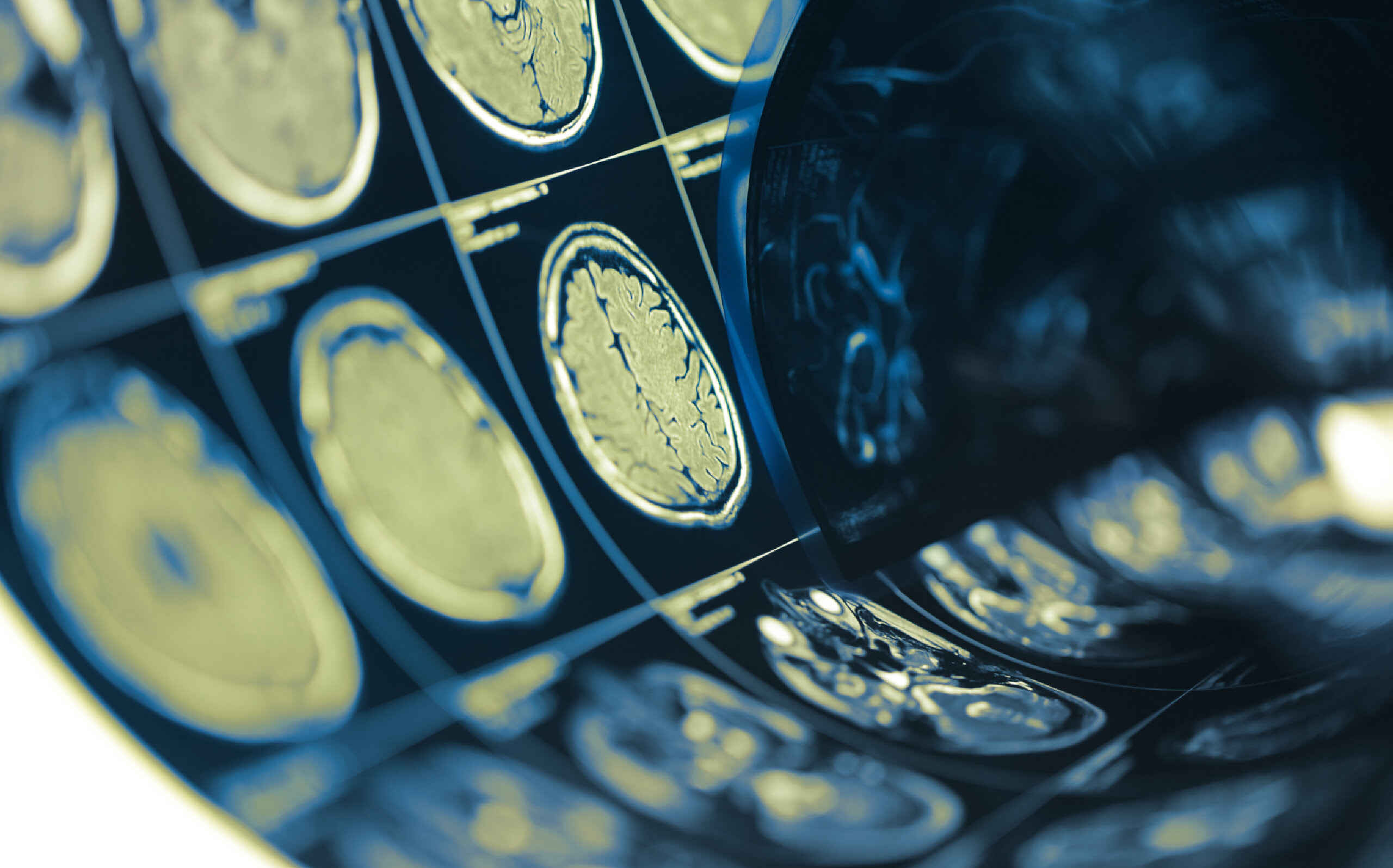
Activation of the brain’s reward system releases dopamine and serotonin and incentivizes us to do things we need to thrive, like eat and spend time with loved ones. Substances such as drugs and alcohol also activate that system.
When drugs and alcohol are used repeatedly over time, the brain adapts by reducing the reward system’s ability to respond. Consequently, the addicted individual needs to use more and more of the substance to get the same desired effect, and the cycle repeats itself. People become vulnerable to relapse because their brains have adapted to this addiction cycle, and it takes deliberate, sustained effort to overcome how the brain is operating.
In other words, overcoming addiction means retraining the brain. Long-term therapy is often necessary for this retraining. Relapse does not mean treatment has failed. It means that the individual needs to resume treatment, modify their treatment plan, or try another therapy.
The stages of recovery
The Yale Journal of Biology and Medicine article mapped out three stages of recovery:
- Abstinence: Dealing with cravings and refraining from substance use is the objective of the abstinence stage. This stage requires patients to accept that they have an addiction and be honest with their clinicians, and themselves. Patients may feel they’re not making progress during this stage; it’s recommended that clinicians encourage them to measure progress month-to-month instead of week-to-week or day-to-day.
- Repair: This stage is focused on repairing damage caused by substance abuse. It could last 2 to 3 years, according to the research. Patients typically feel better during this stage, because they’re starting to take control of their lives, although some may feel worse for a time as they confront the damage caused by their behavior.
- Growth: This stage, which is about moving forward, typically occurs 3 to 5 years after the patient has stopped using substances. In it, the individual addresses family issues and past trauma that may have contributed to their addiction, in hopes of repairing their self-destructive behavior.
The clinician’s relationship with the patient is an important part of the relapse recovery process.
The importance of the therapeutic alliance
The quality of the relationship between the healthcare provider and the patient—known as the therapeutic alliance—is the one factor over all others that determines the success of treating addiction, according to The Family Institute. And it is the patient’s perception of the relationship that is the strongest predictor of success.
A solid therapeutic alliance includes mutual trust and respect, shared decision-making, caring, freedom to share negative emotional responses, and the ability to correct problems or difficulties.
You might also like

Akua Looks At Substance Use in The LGBTQ+ Community
Reading Time: 3 MinutesPride Month is held every June, which makes this a good time to take a look at substance use disorders in the LGBTQ community. While Pride is a celebration that also works to advance the recognition of LGBTQ rights, its spirit of unity and joy often overshadows a much darker problem: the struggles of those […]

Is There a Relationship Between Eating Disorders and Mental Health Disorders?
Reading Time: 3 MinutesAn eating disorder is a psychological disorder that presents through an abnormal obsession with food, calories, weight, body image, and exercise. An individual’s preoccupation with these things interferes with daily life and relationships and is harmful to both the body and the mind. The Diagnostic and Statistical Manual of Mental Disorders, or DSM-5, defines the […]

Psychosis is Real, Learn How to Identify and Help A Love One
Reading Time: 4 MinutesAround 100,000 American teens and young adults experience first-episode psychosis (FEP) each year. FEP, also known as early psychosis, occurs when an individual has trouble differentiating what is real and imaginary. The first signs and symptoms of psychosis may be highly distressful and confusing for many people, as they are often characterized by a loss […]